
The Daughter Who Gave the World Father's Day
Father's Day exists because one woman in Spokane, Washington wanted her father to be honored the same way mothers were. Sonora Smart Dodd proposed the idea in 1910 after attending a church service for Mother's Day, thinking of her own father — a Civil War veteran who raised six children alone after his wife died in childbirth. She believed fathers deserved the same recognition. The first Father's Day was celebrated in Spokane on June 19, 1910, and the idea slowly spread across the United States before becoming a permanent national holiday in 1972.
FATHER'S DAY




A Father Who Raised Six Children Alone
William Smart's Story
Sonora Smart Dodd's father, William Jackson Smart, was a farmer who served in the Civil War. When his wife died giving birth to their sixth child, he chose to raise all six children by himself rather than send them away. Sonora grew up watching her father work the farm, cook meals, and care for his children with a quiet, uncomplaining devotion. As an adult, she felt that this kind of sacrifice deserved a day of its own — just as mothers had recently gained one. Her father's birthday was in June, which is part of why she pushed for the celebration to be held in that month.
Why Mother's Day Came First
Mother's Day had already been established by 1908, championed by Anna Jarvis to honor her own mother. Sonora Smart Dodd attended a Mother's Day service in 1909 and left thinking it was unfair that fathers had no equivalent. She brought her idea to local churches and the Spokane YMCA, and with their support, organized the first Father's Day celebration the following year. Without Mother's Day existing first, it is unlikely Father's Day would have been created in the same way or at the same time.
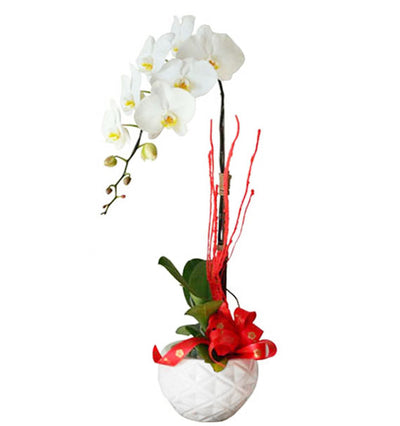
Father’s Day Flower


From a Local Idea to a National Holiday
Decades of Slow Acceptance
Father's Day did not become an official holiday quickly. For decades after 1910, the idea remained a regional observance, often dismissed as unnecessary or even mocked in the press as a commercial gimmick. Many Americans felt fathers did not need a "special day" the way mothers did. Some politicians proposed making it official as early as the 1910s, but the idea repeatedly failed to gain traction in Congress. It took over sixty years for the holiday to receive full national recognition.
President Johnson and President Nixon
In 1966, President Lyndon B. Johnson issued the first presidential proclamation recognizing Father's Day, designating the third Sunday of June as the official date. It was not until 1972 that President Richard Nixon signed it into law as a permanent national holiday in the United States. This made Father's Day's path to official recognition far slower than Mother's Day, which had become a national holiday back in 1914.
How Father's Day Spread Around the World
The Third Sunday of June
Once established in the United States, the third Sunday of June became the standard date adopted by many other countries — including Canada, the United Kingdom, France, Japan, South Korea, and Singapore. This shared date is why Father's Day in Vietnam, observed by families with international connections, typically aligns with the same Sunday celebrated across the US and much of the world.
Countries With Different Dates
Not every country follows the June date. Australia and New Zealand celebrate Father's Day on the first Sunday of September. Germany observes Vatertag on Ascension Day, 39 days after Easter, with a tradition that includes group outings rather than family-centered celebration. Catholic countries such as Italy, Spain, and Portugal often celebrate Father's Day on March 19, the Feast of Saint Joseph, tying the holiday to religious tradition rather than the American model.
Why the History Still Matters Today
A Holiday Built on Personal Gratitude
What makes Father's Day's origin meaningful is that it was never built by a marketing campaign or government initiative. It began as one person's personal gratitude toward her own father, an ordinary man who did something extraordinary by raising a family alone. That origin is part of why the holiday still resonates the way it does — it was never really about fathers as an abstract category. It has always been about specific men, specific sacrifices, and the children who wanted to say thank you.
From Spokane to Vietnam
The same impulse that drove Sonora Smart Dodd in 1910 is what drives a Vietnamese son in Sydney or a Vietnamese daughter in Toronto to send flowers to their father in Vietnam today. The holiday has traveled over a century and across the globe, but the core feeling has not changed: a child noticing what a father gave, and wanting to give something back. Whether that gift is a church service in Washington State or a sunflower bouquet delivered to a door in Ho Chi Minh City, the history of Father's Day is really a history of gratitude finding new ways to express itself.
Frequently Asked Questions
Who started Father's Day?
Sonora Smart Dodd of Spokane, Washington proposed the idea in 1910 to honor her father, William Jackson Smart, a Civil War veteran who raised six children alone. The first celebration took place in Spokane on June 19, 1910.
When did Father's Day become an official holiday?
Father's Day was first recognized by presidential proclamation in 1966 under President Lyndon B. Johnson, who set the date as the third Sunday of June. It became a permanent national holiday in the United States in 1972, signed into law by President Richard Nixon.
Why did Father's Day take longer to become official than Mother's Day?
Mother's Day gained national holiday status in 1914, while Father's Day was not made permanent until 1972 — nearly sixty years later. For much of that period, the idea was dismissed by some as unnecessary or overly commercial, slowing its path to official recognition.
Do all countries celebrate Father's Day on the same date?
No. Most countries, including the US, Canada, UK, and Japan, observe the third Sunday of June. Australia and New Zealand celebrate on the first Sunday of September. Germany observes Vatertag on Ascension Day, and several Catholic countries celebrate on March 19, the Feast of Saint Joseph.
How can I honor my father in Vietnam with the same spirit Father's Day began with?
The original Father's Day was a simple, personal gesture of gratitude — not an expensive display. A thoughtfully chosen bouquet of flowers, a potted orchid, or a small gift delivered to your father's door in Vietnam carries that same spirit. Vietgifts delivers fresh flowers and meaningful gifts across Vietnam with same-day delivery, even from overseas.